
Space is often seen as a luxury. More square footage. Bigger rooms. Extra storage. But chasing more room doesn’t always mean you’re gaining something useful. Sometimes, it’s just… more.
The truth is that not all extra space adds real value. What makes a home—or any living space—truly valuable isn’t size alone. It’s how well that space works for you. It’s about feeling content where you are, not just having more of it.
Let’s look closer at what counts when it comes to value. You might be surprised.
Function Beats Footage Every Time
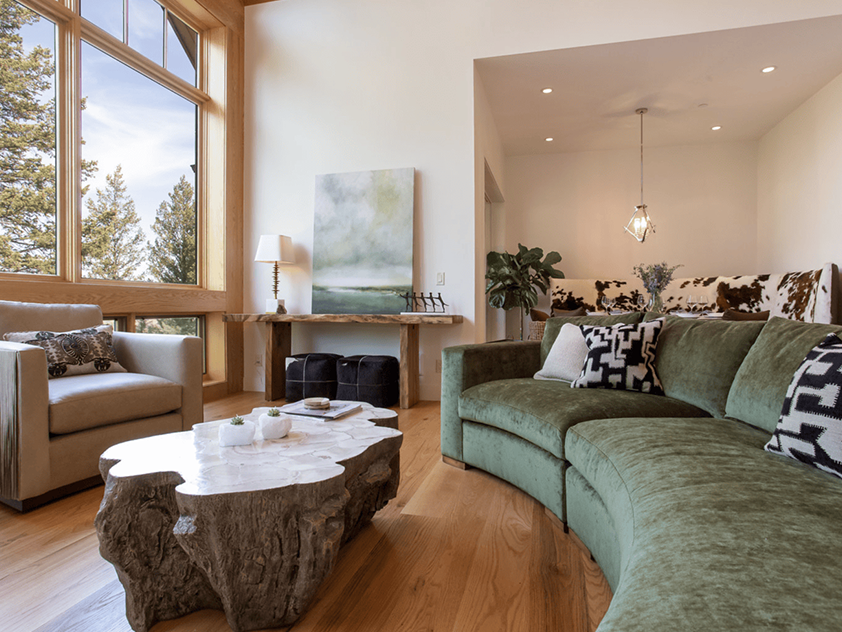
A large, open living room might seem impressive. But it loses its charm fast if it’s hard to arrange furniture or doesn’t offer comfort. On the other hand, a well-thought-out small room can feel cozy, purposeful, and just right.
What adds real value:
- The layout that makes sense
- Easy flow between rooms
- Storage where you need it, not just where there’s leftover space
- Enough room for life—not endless extra square feet
It’s not about how much space you have. It’s about how you live in it.
Emotional Comfort Over Empty Corners
A house full of space can still feel cold. Empty rooms don’t create warmth. They echo. Literally and emotionally.
People remember how a home made them feel, not how wide the hallway was. A reading nook that hugs you in. A kitchen where everyone gathers without bumping elbows. These are the parts that stick with us.
Rooms don’t have to be big to feel good. They need to work for the people living in them.
Smart Storage Wins Over Big Closets
A walk-in closet might seem like the ultimate goal. But if it’s packed with clothes you never wear or boxes you forget about, it’s wasted space.
Smart storage means:
- You can find things fast
- Everything has a home
- You’re not overwhelmed by clutter
Built-in shelving, under-bed drawers, or storage benches often outdo an oversized closet for function. Less space is used better.
Maintenance Costs Multiply with More Space
More room means more to clean. More to heat. It’s more cool. More to fix.
And those costs add up. Energy bills. Cleaning supplies. Time. Mental energy. The larger the space, the more it demands from you—even when it’s not giving much back.
This is where people often feel the pinch. They thought they were gaining more freedom with more space but got more responsibility.
When rooms serve no purpose, they become a chore. Not a perk.
Small Doesn’t Mean Settling
There’s a common trap: thinking a smaller space means giving something up. But often, it’s the opposite. You gain focus. You gain peace. You gain clarity about what matters.
A smaller home that works hard is better than a large one that… exists.
It encourages:
- Smarter decisions
- Less clutter
- More mindful living
People who choose well-designed smaller spaces often say they feel freer, not confined. Less distracted. More grounded.
Quality Touches Trump Extra Rooms
Instead of building another room, investing in better flooring, lighting, or finishes can offer more day-to-day enjoyment. These are the things you touch, see, and interact with constantly.
Focus on:
- Comfortable flooring under bare feet
- Lighting that shifts with your mood and time of day
- Natural textures that calm the senses
These improvements go beyond adding an unused guest room or a half-finished basement.
Flow Matters More Than Square Feet
Two homes can have the same square footage and feel completely different. One might feel open, the other cramped. Why? Flow.
Good flow means:
- There are no bottlenecks between spaces
- Rooms that serve a clear purpose
- An easy rhythm to how you move through the day
When flow works, even a smaller space feels expansive. When it doesn’t, even a mansion can feel awkward.
Personal Connection Beats Generic Expansion
A room only adds value if it supports how you live. A sunroom you never use. A game room you don’t need. These might impress visitors but offer little to your life.
What makes space valuable:
- It reflects your habits and interests
- It feels lived in, not staged
- It makes your day easier, calmer, smoother
The goal isn’t to fill your home with square footage. The goal is to fill it with meaning.
More Isn’t Always Worth It
At a certain point, adding more becomes subtracting from what matters. Time. Money. Energy. Peace.
The most valuable spaces are often the ones that feel just right. Not oversized. Not underused. It’s just useful and comforting.
You don’t need more. You need better.
Conclusion:
Having more space can seem like the answer, but it often leads to more upkeep, more expenses, and less satisfaction. Value isn’t measured by square footage—it’s shaped by how well your space works for you. When rooms are thoughtfully used, every corner has a purpose, and the layout flows with your lifestyle, you gain far more than just an extra floor. You gain comfort, ease, and control over your surroundings. Smart storage, better materials, and functional design outshine empty guest rooms or unused basements. A smaller, well-organized home can support your routine, reduce stress, and feel more rewarding. Instead of asking for more, focus on what makes your space work better today.